 16 hours ago

British teenagers are expressing opposition to a potential social media ban for under-16s, despite acknowledging the platforms' negative effects. While the UK government considers following Australia's lead, teens argue such restrictions would be difficult to enforce and could push young users to more dangerous platforms.
British youth find themselves caught in a complicated relationship with social media platforms, recognizing their harmful effects while opposing government efforts to restrict access.
The United Kingdom is exploring options to limit social media usage among children, potentially implementing restrictions similar to Australia’s under-16 ban. Officials have launched a public consultation running through May, seeking input from all stakeholders.
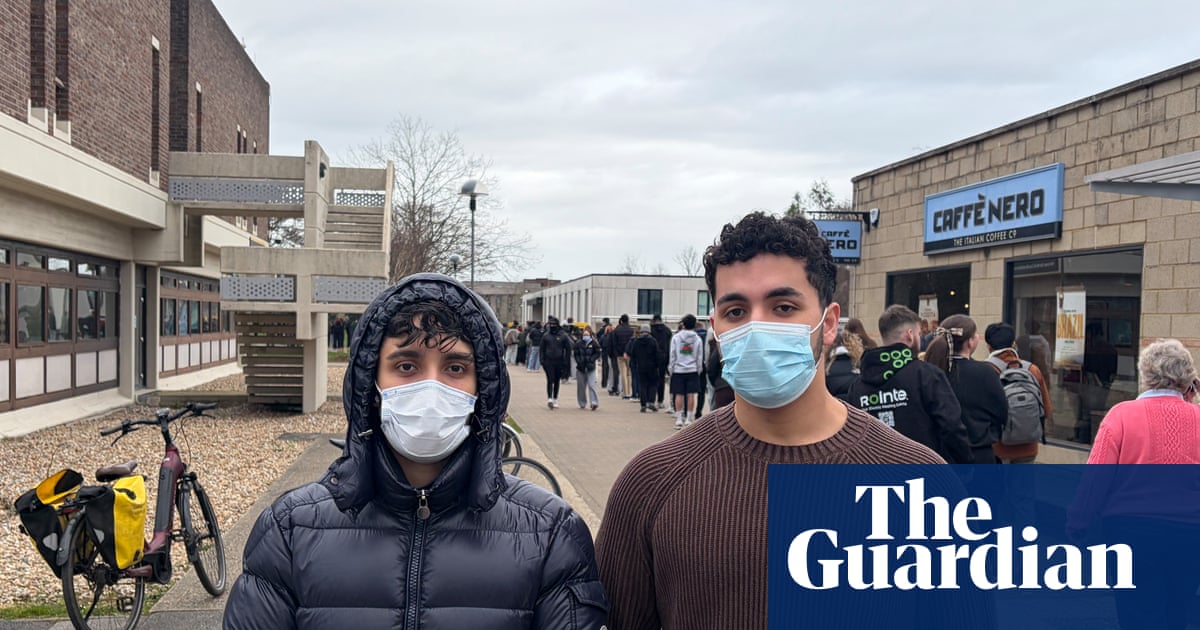
Students aged 16-18 from a south London school told reporters that platforms like Snapchat, Instagram, and TikTok serve important roles in their social lives, helping them connect with others and discover new information about the world around them.
However, these same students acknowledged significant drawbacks, including feelings of unhappiness and fatigue, exposure to cyberbullying and dangerous content, and awareness that the applications are specifically engineered to maintain user engagement.
Awand Khdir, 17, described his summer usage habits: “During the summer, I’d spend around eight hours a day on just TikTok. But now it’s more like three or four hours. It’s still not good.” He added that “doom scrolling is an issue on its own, but… the content that you see sometimes, especially on TikTok, there’s a lot of dodgy stuff.”
Platform representatives highlighted their safety measures for teenage users. Snapchat implements age-appropriate protections for users 13-17, including default private accounts and restricted access to public profiles for younger teens. Instagram’s Teen Accounts feature sensitive content controls and parental supervision tools. TikTok automatically limits screen time to 60 minutes for teen accounts and prompts users to log off after 10 p.m., while age-restricting potentially inappropriate material.
Despite these protections, the interviewed students reported being able to circumvent the controls.
While parents and politicians often support restrictions, some mental health experts and researchers question their effectiveness. University of Cambridge Research Professor Amy Orben emphasized that social media’s influence varies widely among users, noting that while some teenagers encounter serious dangers, many others find valuable connections through these platforms.
“The online world, like the offline world, is very complex and its impacts will be very dynamic,” Orben explained.
Sumiksha Senthuran, 16, described “mindlessly scrolling” as helpful relief from academic pressure. Elizabeth Alayande, 17, highlighted social media’s role in building self-confidence and personal identity: “You can express yourself by posting videos or just relating with other people… and I don’t think it’s the biggest waste of time if you spread it out evenly with other priorities.”
However, students also reported exposure to disturbing material and online harassment. Teyanna Charley, 17, said “sometimes it’s quite negative because all you see is bad stuff… it’s quite tiring.” Vish Ragutharan, 16, who maintains a film blog, noted that his posts attract both positive and negative feedback, calling this “a real disadvantage.”
Body image content particularly affects some users. Joelle Azebaze Ayangma, 18, observed: “When you see other girls on TikTok, you kind of want to look like them. And that’s really crushing people’s self-esteem.”
Despite recognizing these risks, most students opposed implementing a ban. Ali Raza, 16, relies on apps to maintain contact with overseas family members. Dua Arshia, 16, worried that restrictions might drive young people toward platforms “where there’s more dangerous things.” Leah Osando, 17, questioned enforcement feasibility, stating “even if children get banned… they’ll go onto the dark web or use a VPN.”
Students also expressed concern about increasingly sophisticated AI-generated content that becomes harder to identify.
Three experts who have advised lawmakers on children’s internet safety stated that clear evidence supporting ban effectiveness remains lacking. Industry data revealed that one-fifth of Australian teenagers under 16 continued using social media two months after their country’s ban took effect, raising questions about platform age-verification methods.
These experts advocate for pressuring social media companies to develop safer platforms, particularly as algorithm-driven feeds become more addictive and sometimes direct children toward content promoting eating disorders or self-harm.
“These are commercial platforms,” Orben noted. “They are designed to harness attention, and… young people are increasingly saying that they struggle to get off.”
University of East London Professor Julia Davidson, a child online safety expert, suggested that intervention may come too late for children over 13. British regulator Ofcom reported in 2022 that six out of ten children aged 8-12 maintained social media profiles, despite most platforms requiring users to be at least 13.
“How are we going to enforce a ban with 14 and 15-year-olds who have grown up with it and built extensive networks?” Davidson questioned.
Professor Sonia Livingstone from the London School of Economics’ Digital Futures for Children centre warned that policymakers risk choosing inappropriate solutions, describing a ban as “a very blunt hammer to crack a nut.”
Livingstone urged politicians to demand “safety by design… without eliminating children’s access to the digital world, which is what they want and have a right to.”
She recommended that government focus on addressing big tech companies through targeted approaches: “Why don’t we say: Snapchat is the one where the randomers can get in touch with you. Instagram is the one where you can see the self-harm content. And TikTok is the one that wants you on so long that you can never get to sleep or do your homework.”