 7 hours ago
Introduction
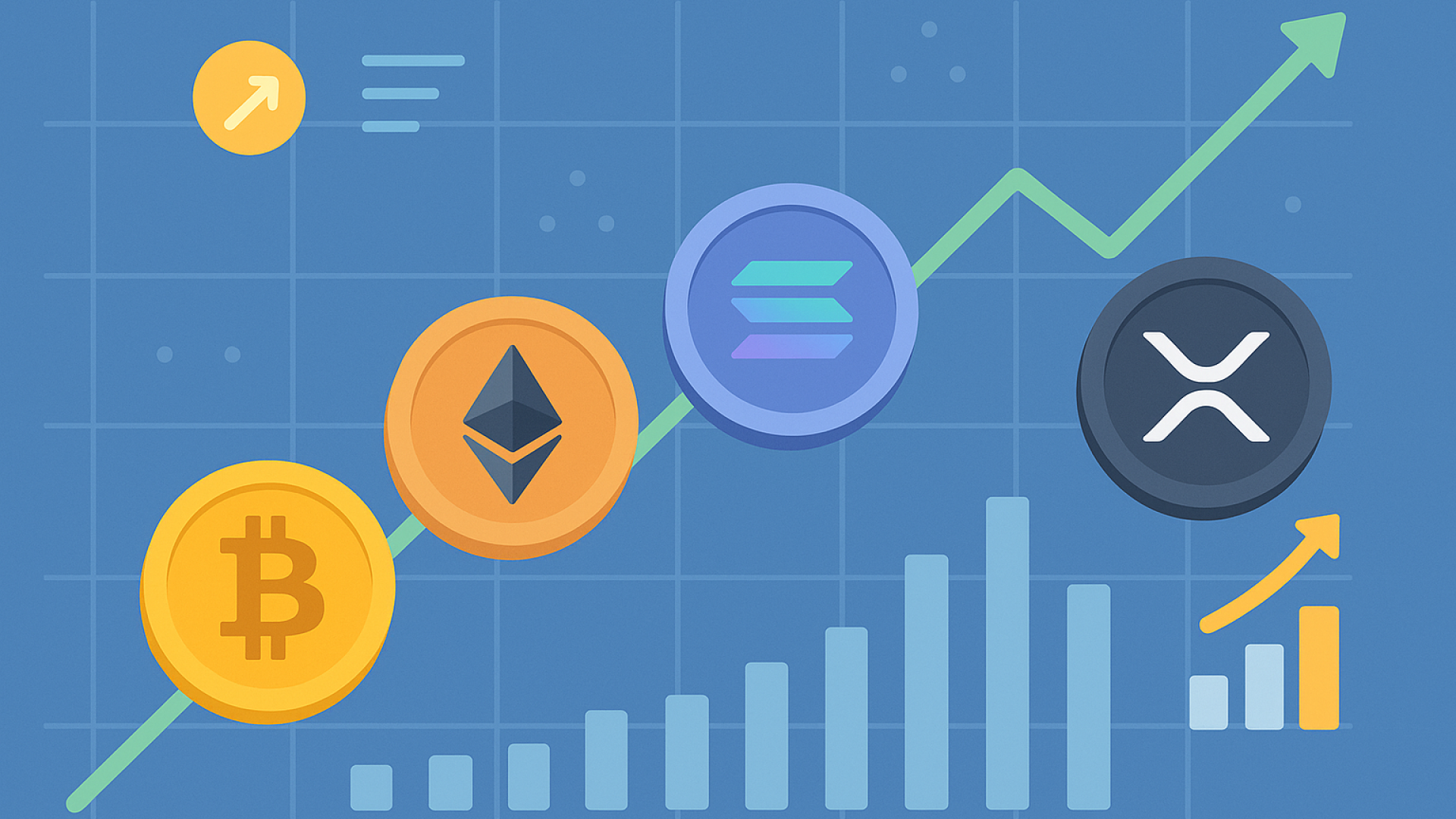
The cryptocurrency market has experienced a notable rally in early March 2026, capturing the attention of investors, analysts, and enthusiasts worldwide. Major digital assets such as Bitcoin (BTC), Ethereum (ETH), Solana (SOL), and XRP have shown significant price movements, driven by a combination of macroeconomic factors, technological advancements, and regulatory shifts. This article provides an in-depth analysis of the current market context, explores the core drivers behind the rally, and offers insights into what investors might expect from these leading cryptocurrencies in the coming week.
Context: The State of the Crypto Market in Early 2026
After a prolonged period of volatility and consolidation throughout 2025, the crypto market has entered a phase of renewed optimism and upward momentum. This resurgence is underpinned by several key factors that have collectively contributed to a more favorable environment for digital assets.
- Global Economic Environment: Inflation rates in major economies, including the United States, the Eurozone, and parts of Asia, have shown signs of stabilization. This easing of inflationary pressures has reduced the likelihood of aggressive monetary tightening by central banks, which in turn has improved risk appetite among investors. As a result, capital flows into riskier assets, including cryptocurrencies, have increased.
- Regulatory Developments: Governments and regulatory bodies worldwide have taken clearer stances on cryptocurrency frameworks, reducing uncertainty that previously hampered institutional participation. Notably, some jurisdictions have introduced more crypto-friendly policies, such as streamlined licensing processes for exchanges and clearer tax guidelines, which have encouraged greater institutional and retail involvement.
- Technological Innovations: Significant upgrades and new features in blockchain networks have enhanced scalability, security, and usability. These technological advancements have attracted more users and developers, fostering ecosystem growth. For example, improvements in consensus mechanisms and interoperability protocols have made blockchain applications more efficient and accessible.
- Institutional Interest: Large financial institutions, hedge funds, and corporations have increased their exposure to cryptocurrencies, signaling growing mainstream acceptance. This institutional influx has brought greater liquidity and stability to the market, while also driving innovation through partnerships and investments in blockchain technology.
These elements have collectively fostered an environment conducive to price appreciation and market expansion, setting the stage for the rally observed in early March 2026.
Core Analysis: Performance and Prospects of BTC, ETH, SOL, and XRP
Bitcoin (BTC)
Bitcoin remains the flagship cryptocurrency and a bellwether for the entire market. In March 2026, BTC has demonstrated resilience, trading within a range that suggests strong support levels and renewed investor confidence. Several key factors are influencing Bitcoin's trajectory:
- Adoption as Digital Gold: Bitcoin continues to be perceived as a store of value and a hedge against inflation, attracting both retail and institutional investors. Its scarcity and decentralized nature reinforce its appeal as a long-term asset, especially amid macroeconomic uncertainties.
- Network Upgrades: Recent improvements in Bitcoin's Lightning Network have enhanced transaction speed and reduced fees, promoting broader usage for everyday payments and microtransactions. These upgrades also improve Bitcoin's scalability, making it more competitive as a payment solution.
- Market Sentiment: Positive sentiment driven by endorsements from major financial players and favorable regulatory news has buoyed prices. Additionally, increased media coverage and growing public awareness have contributed to heightened demand.
Analysts anticipate that Bitcoin could test higher resistance levels if current momentum sustains. However, caution remains due to potential macroeconomic shocks, geopolitical tensions, or unexpected regulatory changes that could introduce volatility.
Ethereum (ETH)
Ethereum continues to lead in smart contract functionality and decentralized application (dApp) development. The Ethereum network's recent transition to a more energy-efficient consensus mechanism, known as Ethereum 2.0 or the Merge, has been a significant milestone, reducing its environmental impact and improving scalability prospects. Key points include:
- Scalability Solutions: Layer 2 protocols, such as rollups, and upcoming sharding implementations are expected to reduce network congestion and lower transaction costs. These enhancements will improve user experience and support the growing demand for decentralized applications.
- DeFi and NFT Growth: The expansion of decentralized finance (DeFi) platforms and non-fungible tokens (NFTs) on Ethereum sustains demand for ETH as gas fees and collateral. Innovations in these sectors continue to attract new users and capital, reinforcing Ethereum's dominant position.
- Institutional Use Cases: Ethereum's versatility attracts enterprises exploring blockchain-based solutions, including supply chain management, identity verification, and tokenization of assets. This growing institutional interest further legitimizes its ecosystem and drives development.
Market watchers expect ETH to maintain upward momentum, supported by ongoing network enhancements and ecosystem growth. However, competition from other smart contract platforms and regulatory scrutiny remain factors to monitor.
Solana (SOL)
Solana has emerged as a high-performance blockchain known for its fast transaction speeds and low fees. Despite facing some network outages and technical challenges in the past, Solana's development team has made significant strides in improving stability and scalability. Important considerations include:
- Developer Activity: Increasing numbers of developers are building on Solana, attracted by its scalability, user-friendly environment, and robust tooling. This growing developer ecosystem is vital for the platform's long-term success.
- Partnerships and Integrations: Collaborations with major projects and platforms have expanded Solana's reach, including integrations with DeFi protocols, NFT marketplaces, and gaming applications. These partnerships enhance Solana's utility and adoption.
- Market Volatility: SOL's price remains sensitive to broader market trends and technical challenges. While the network's improvements have bolstered confidence, investors should remain vigilant about potential risks.
Investors should monitor Solana’s technical progress and ecosystem expansion to gauge its potential for sustained growth. Continued innovation and resolution of past issues will be critical to maintaining its competitive edge.
XRP
XRP, the native token of the Ripple network, has been closely watched due to ongoing legal proceedings and its focus on cross-border payments. Recent developments have brought renewed attention to XRP's potential:
- Legal Clarity: Progress in Ripple’s legal battles, particularly with regulatory authorities, has reduced uncertainty, positively impacting XRP’s market perception. Favorable rulings or settlements could unlock significant upside potential.
- Adoption by Financial Institutions: Ripple’s partnerships with banks and payment providers continue to grow, enhancing XRP’s utility as a bridge currency for international remittances. These collaborations improve transaction speed and reduce costs for cross-border payments.
- Regulatory Environment: Clearer guidelines on digital assets have helped XRP regain investor confidence. As regulatory frameworks become more defined, XRP's role in compliant financial ecosystems is expected to strengthen.
While XRP’s price remains volatile, its fundamental use case in international remittances positions it well for future adoption. Investors should keep an eye on legal developments and partnership announcements as key catalysts.
Solutions and Strategies for Investors
Given the dynamic nature of the crypto market, investors should consider several strategies to navigate the current rally effectively and mitigate risks:
- Diversification: Spreading investments across multiple cryptocurrencies can mitigate risks associated with individual asset volatility. A balanced portfolio including BTC, ETH, SOL, XRP, and other promising tokens can provide exposure to different use cases and growth drivers.
- Research and Due Diligence: Staying informed about technological updates, regulatory changes, and market sentiment is crucial for making timely and informed decisions. Following credible news sources, developer updates, and market analysis can help investors anticipate trends.
- Risk Management: Setting stop-loss orders and defining clear investment goals can help protect capital during market corrections. Investors should also consider position sizing and avoid overexposure to highly volatile assets.
- Long-Term Perspective: While short-term trading can be profitable, maintaining a long-term view aligned with the broader adoption trends may yield more sustainable returns. Understanding the fundamental value propositions of each asset can guide strategic holding decisions.
Investors are also advised to use reputable exchanges and wallets to ensure security and compliance. Employing hardware wallets and enabling two-factor authentication can further safeguard digital assets.
Conclusion
The crypto market rally in March 2026 reflects a confluence of favorable economic conditions, technological progress, and regulatory clarity. Bitcoin, Ethereum, Solana, and XRP each present unique opportunities and challenges shaped by their underlying fundamentals and market positioning. While optimism prevails, cautious and informed investment approaches remain essential amid the inherent volatility of digital assets. As the week unfolds, market participants will closely watch price movements, network developments, and external factors to gauge the sustainability of this rally and adjust their strategies accordingly. Staying vigilant and adaptable will be key to capitalizing on the evolving landscape of the cryptocurrency market.