 9 hours ago
Introduction
In recent years, the environmental consequences of consumer habits have become a focal point of global concern. One particularly alarming issue is the impact of America’s drinking habits on Mexico’s environment. The high demand for bottled water and other beverages in the United States has led to extensive extraction of natural resources in Mexico, resulting in significant ecological degradation. Experts warn that the damage inflicted on Mexico’s ecosystems will take a long time to recover, raising urgent questions about sustainability, cross-border responsibility, and environmental justice.
This article provides a comprehensive examination of how America’s thirst for bottled water is affecting Mexico’s natural landscapes, water resources, and communities. It explores the underlying causes, the multifaceted environmental impacts, expert perspectives on recovery, and potential solutions that require cooperation between governments, corporations, and consumers.
Context: The Cross-Border Water Demand
Water is a vital resource, and its consumption patterns vary widely across regions. In the United States, bottled water consumption has surged over the past decades, driven by health trends, convenience, aggressive marketing campaigns, and growing concerns about tap water safety. According to industry reports, bottled water has become one of the most popular beverages in the U.S., with millions of gallons consumed annually.
This soaring demand is not met solely by domestic sources; a substantial portion of bottled water consumed in the U.S. is sourced from Mexico. Many multinational beverage companies operate bottling plants in northern Mexico, attracted by lower operational costs and less stringent environmental regulations. However, this cross-border extraction places enormous pressure on Mexico’s water resources, particularly in arid and semi-arid regions where water is already scarce.
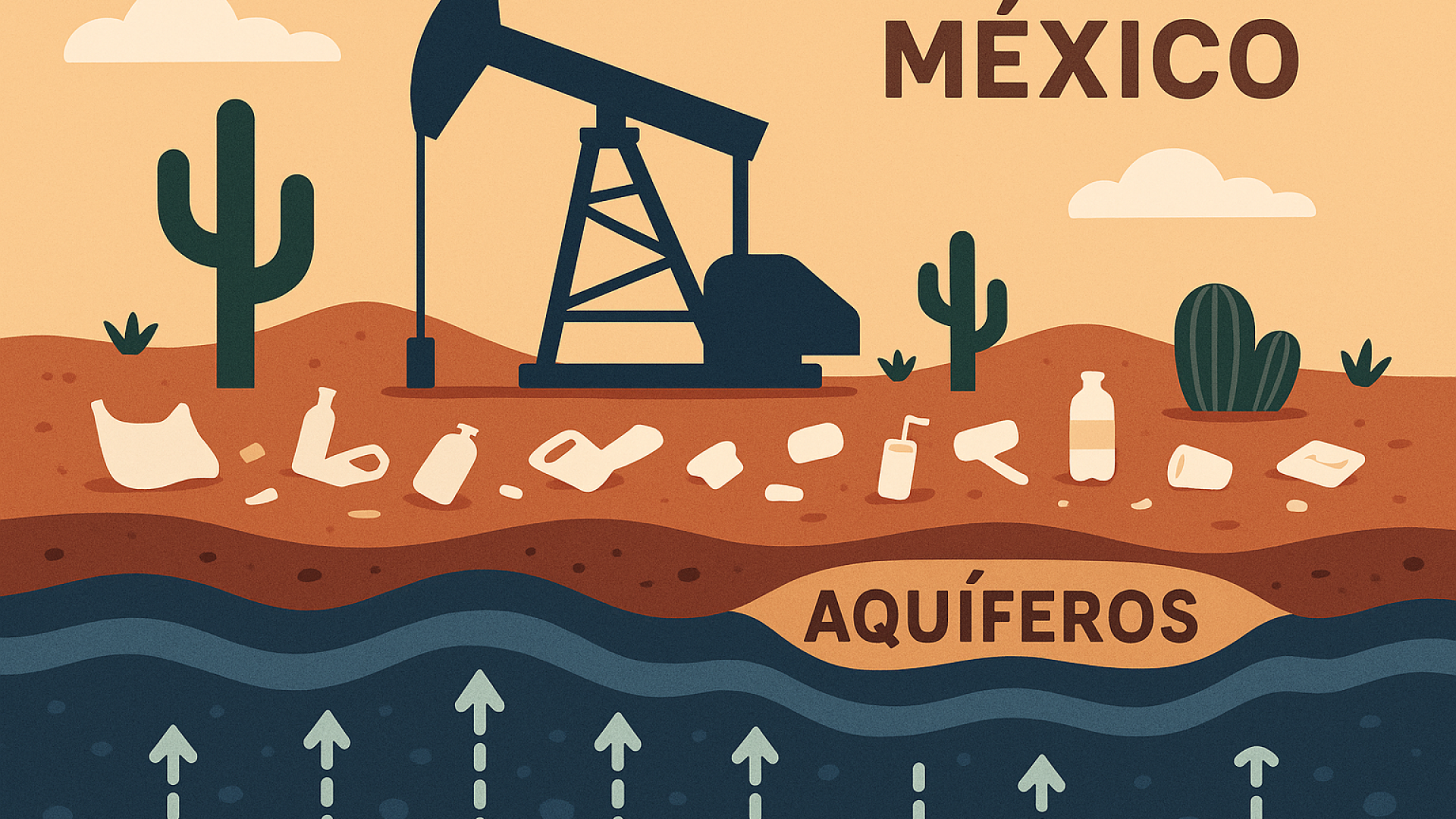
Mexico’s water resources, especially aquifers in northern states such as Baja California, Sonora, and Chihuahua, are under increasing strain. These aquifers are being depleted at unsustainable rates to supply multinational beverage companies. The extraction disrupts local water cycles, reduces availability for communities and agriculture, and damages natural habitats that depend on consistent water flows.
The Core Issue: Environmental Damage in Mexico
The environmental impact of America’s drinking habits on Mexico is multifaceted and severe. The following key issues illustrate the breadth and depth of ecological harm caused by intensive water extraction and associated activities:
- Aquifer Depletion: Intensive groundwater pumping to supply bottled water plants has led to significant drops in water tables. In some regions, water levels have fallen by several meters over the past decade. This threatens the sustainability of water supplies for local populations, agriculture, and ecosystems. Over-extraction can cause land subsidence, reducing the land’s ability to retain water and increasing vulnerability to drought.
- Habitat Destruction: Water extraction affects wetlands, rivers, and surrounding ecosystems. Reduced water availability harms flora and fauna, leading to biodiversity loss. Many species that depend on stable water sources face habitat shrinkage or degradation, disrupting ecological balances. Wetlands that act as natural water filters and flood buffers are particularly vulnerable.
- Pollution and Waste: The production and disposal of plastic bottles contribute significantly to pollution. Mexico faces challenges in managing plastic waste, with much of it ending up in landfills, waterways, or natural environments. Plastic pollution harms wildlife, contaminates soil and water, and contributes to the global plastic crisis. The environmental footprint of bottled water extends beyond water extraction to include energy use and greenhouse gas emissions from production and transportation.
- Social Impact: Local communities often experience water shortages, affecting agriculture, daily living, and economic activities. Small-scale farmers and indigenous populations are disproportionately affected, exacerbating social inequalities and tensions. Water scarcity can lead to conflicts over access and usage rights, undermining community cohesion and livelihoods.
Environmental scientists emphasize that these impacts are not isolated but interconnected, creating a cascade of ecological stress that undermines the resilience of Mexico’s natural systems. The depletion of water resources reduces the land’s ability to support agriculture and natural vegetation, which in turn affects carbon sequestration and climate regulation. The combined effects threaten the long-term sustainability of the region’s environment and economy.
Expert Insights: The Road to Recovery
Environmental experts caution that the damage caused by excessive water extraction and pollution will require decades to reverse. Restoration of aquifers, rehabilitation of ecosystems, and reduction of plastic pollution are complex challenges that demand coordinated efforts from multiple stakeholders.
Dr. Ana Martínez, an ecologist specializing in water resources, notes, “The ecosystems affected by over-extraction are delicate. Recovery is slow because it depends on natural replenishment cycles and human intervention to reduce further harm. Aquifers recharge at rates much slower than current extraction, and once wetlands are degraded, restoring their ecological functions can take decades.”
Efforts to monitor water use, enforce regulations, and promote sustainable practices are underway but face obstacles such as limited financial resources, political will, and competing economic interests. Additionally, the transboundary nature of the issue complicates governance, requiring cooperation between U.S. and Mexican authorities.
Experts also highlight the importance of integrating traditional ecological knowledge from local communities into restoration efforts. Indigenous and rural populations often possess valuable insights into sustainable water management and ecosystem stewardship that can enhance recovery strategies.
Solutions and Sustainable Alternatives
Addressing the environmental toll requires a multifaceted approach involving governments, corporations, and consumers. The following strategies are critical to mitigating the impact and promoting sustainability:
- Regulatory Reforms: Strengthening water management policies in Mexico is essential to ensure sustainable extraction limits and protect vulnerable ecosystems. This includes implementing stricter permitting processes, regular monitoring of water use, and penalties for violations. Cross-border agreements can facilitate coordinated management of shared water resources.
- Corporate Responsibility: Beverage companies must adopt sustainable sourcing practices, invest in water conservation technologies, and reduce plastic use. Transparency in water usage and environmental impact reporting can hold corporations accountable. Some companies are exploring closed-loop water systems and alternative packaging to minimize their footprint.
- Consumer Awareness: Educating American consumers about the environmental impact of bottled water can encourage shifts toward tap water use, reusable bottles, and reduced plastic consumption. Public campaigns and labeling initiatives can inform purchasing decisions and foster more sustainable consumption patterns.
- Cross-Border Collaboration: The U.S. and Mexico can develop joint initiatives to manage shared water resources sustainably and support environmental restoration projects. Bilateral cooperation can enhance data sharing, funding mechanisms, and policy alignment to address transboundary challenges effectively.
- Innovation in Packaging: Promoting biodegradable or recyclable packaging alternatives can reduce plastic pollution. Advances in materials science offer promising solutions such as plant-based plastics and refillable container systems that can significantly lower environmental impact.
These solutions require commitment and cooperation across sectors and borders to be effective. Integrating environmental, social, and economic considerations is vital to creating resilient systems that benefit both countries and their populations.
Conclusion
The environmental consequences of America’s drinking habits extend far beyond its borders, profoundly affecting Mexico’s ecosystems and communities. The depletion of water resources, habitat destruction, and pollution present urgent challenges that will take years to address. Sustainable water management, corporate accountability, and informed consumer choices are critical to mitigating this impact.
As global awareness of environmental interdependence grows, it is imperative to recognize that consumption patterns in one country can have lasting effects on another’s natural heritage. The path forward lies in collaborative efforts that prioritize ecological health and social equity, ensuring that future generations inherit a more sustainable and resilient environment.
Ultimately, addressing the environmental toll of bottled water consumption requires a paradigm shift in how water is valued and managed. It calls for embracing sustainability as a shared responsibility transcending borders, industries, and individual behaviors. Only through such comprehensive and inclusive approaches can the ecological damage be reversed and a healthier future secured for both Mexico and the United States.